
Intelligence Isn’t One Thing—It’s Many
Exploring Howard Gardner’s Theory in Practice
For too long, education systems have operated on the assumption that intelligence can be measured by a single scale—usually involving test scores, grades, and logical reasoning. But this narrow view leaves behind many students whose strengths simply don’t fit into standardized boxes.
Psychologist Howard Gardner shattered this myth with his groundbreaking theory of Multiple Intelligences. Instead of a single general intelligence, he proposed a spectrum—each form equally valid and valuable. His theory reminds us that human potential isn’t linear; it’s multidimensional.
Gardner originally identified seven intelligences, later expanding the model to include two more. Together, they offer a holistic view of how people learn, create, and solve problems:
-
Linguistic Intelligence – the ability to use language effectively (writers, journalists)
-
Logical-Mathematical Intelligence – reasoning and number-based thinking (scientists, analysts)
-
Musical Intelligence – sensitivity to rhythm, sound, and melody (musicians, composers)
-
Bodily-Kinesthetic Intelligence – using the body skillfully (dancers, athletes, artisans)
-
Spatial Intelligence – visualizing and manipulating space (architects, designers)
-
Interpersonal Intelligence – understanding others (leaders, counselors)
-
Intrapersonal Intelligence – deep self-awareness (philosophers, introspective thinkers)
-
Naturalistic Intelligence – recognizing patterns in nature (biologists, gardeners)
-
Existential Intelligence (proposed) – grappling with big questions about life and meaning
The Nine Intelligences — A Fuller Picture of Human Potential
Education for the Whole Child
When we design education around only two intelligences—linguistic and logical—we fail to meet the needs of most learners. But when schools incorporate projects, movement, nature, music, and collaboration, students of all types find a place to shine.
A child who struggles with math but thrives in art isn’t “less intelligent.” A teenager who hates tests but builds functional machines from scrap is not a poor learner. They’re simply intelligent in different ways—and their education should reflect that.
From Theory to Practice: Making It Real
Some progressive schools and educators are already applying Gardner’s model:
-
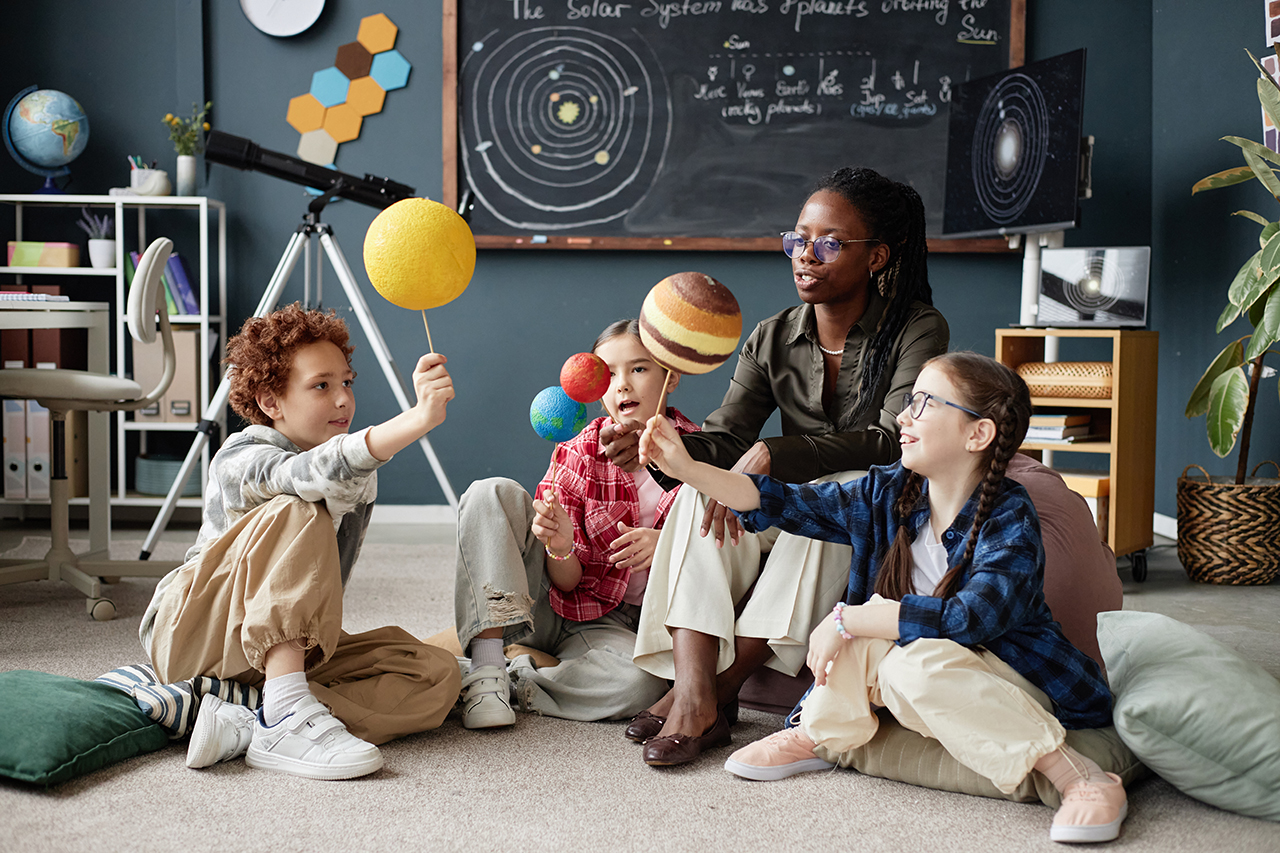
Project-based learning allows spatial and bodily-kinesthetic learners to build and design.
-
Music and storytelling reinforce concepts for musical and linguistic learners.
-
Peer collaboration builds interpersonal skills.
-
Mindfulness and journaling develop intrapersonal reflection.
-
Outdoor exploration nurtures naturalistic intelligence.
When we acknowledge that intelligence is plural, not singular, classrooms become more inclusive, creative, and effective. Learning becomes something joyful and meaningful.
The theory of multiple intelligences is more than a classroom tool—it’s a societal lens. It calls on parents, teachers, and institutions to abandon one-size-fits-all thinking and start honoring the unique strengths of each individual.
By doing so, we foster a generation that isn’t just well-prepared for tests—but one that’s self-aware, diverse in talent, and confident in their capacity to contribute to the world. In a future increasingly shaped by artificial intelligence, human strengths like empathy, creativity, intuition, and interdisciplinary thinking will become more essential—not less. By recognizing and cultivating multiple intelligences, we prepare individuals to thrive alongside machines, not compete with them. We build a society where technology amplifies human potential rather than replaces it.